

New
Browse all Las Vegas high-rise condos for sale across luxury and ultra-luxury towers on and near the Strip.

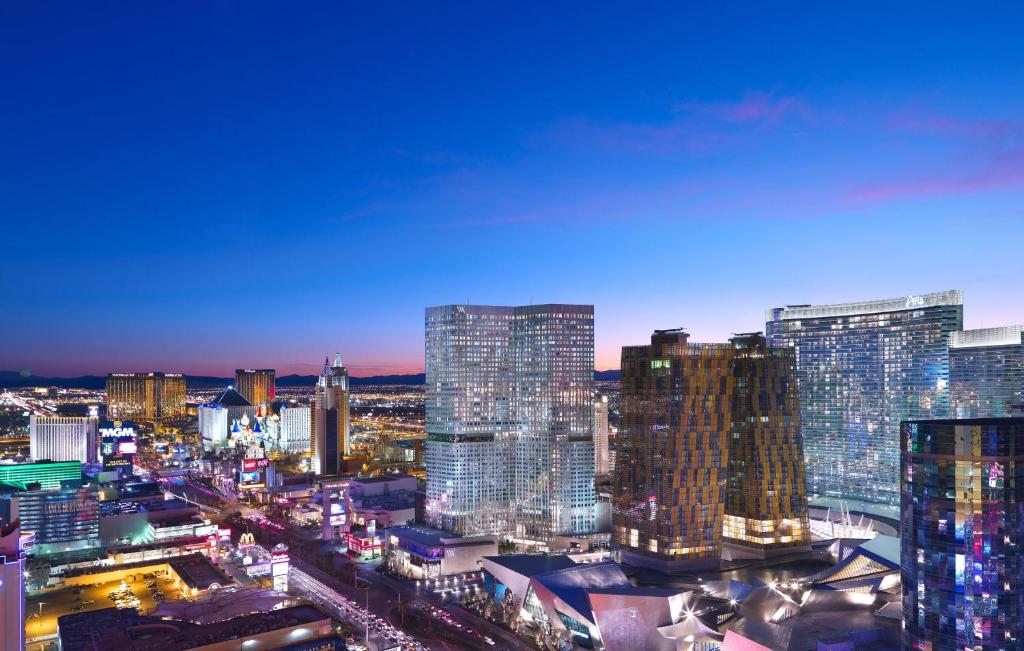
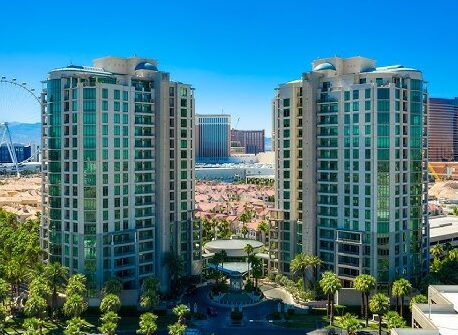
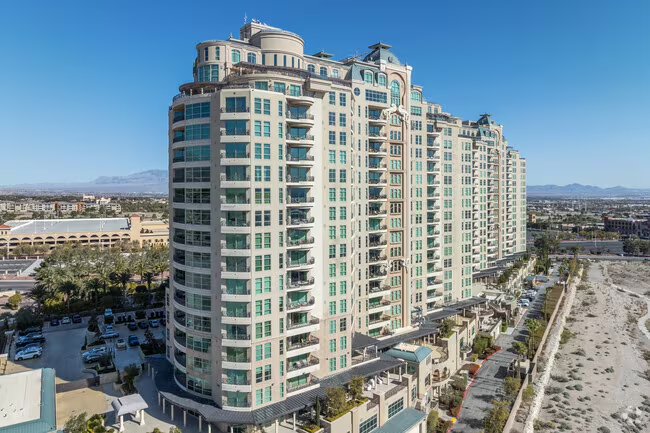
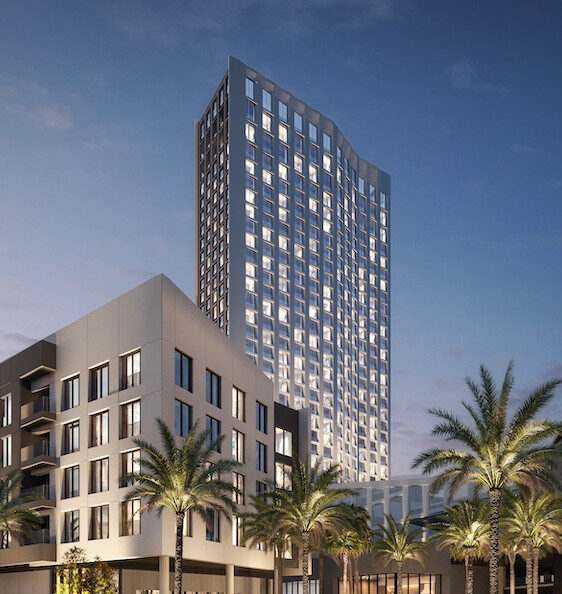
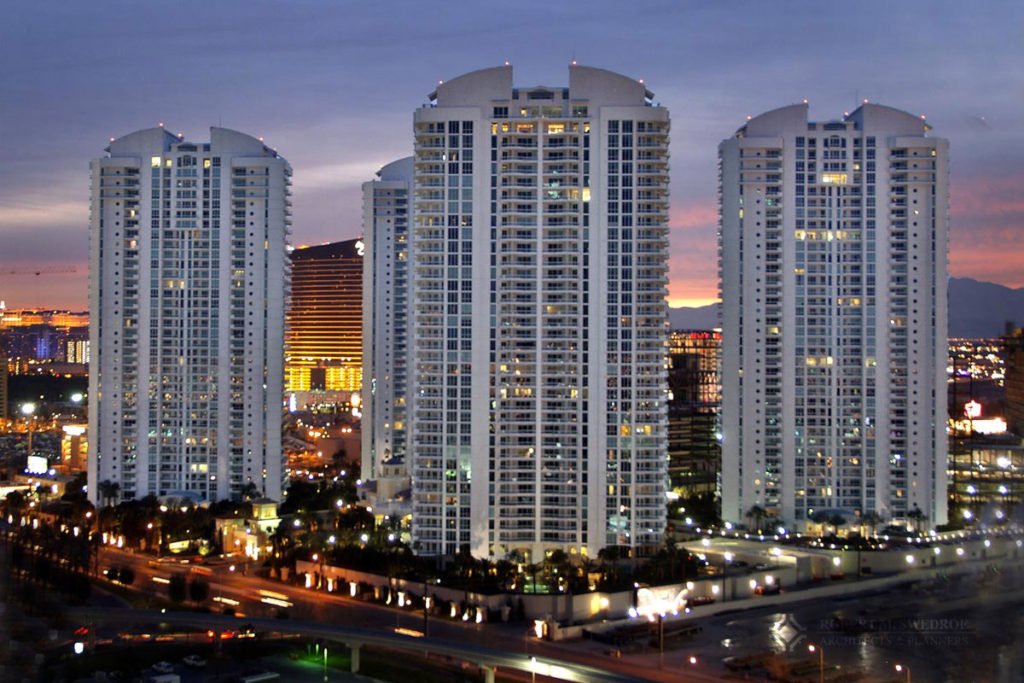
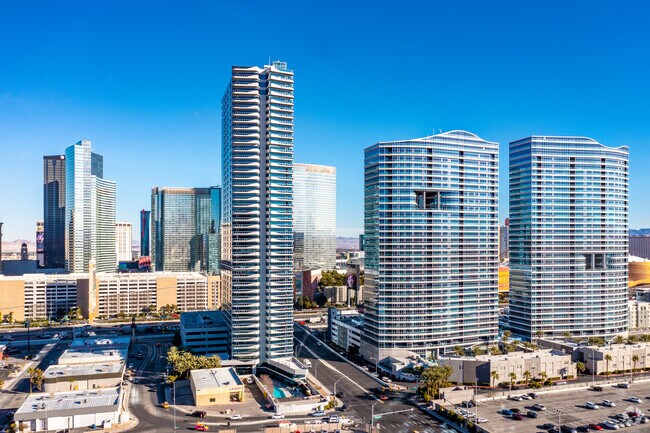
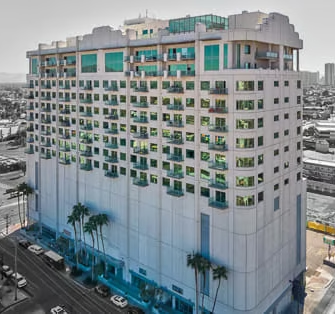
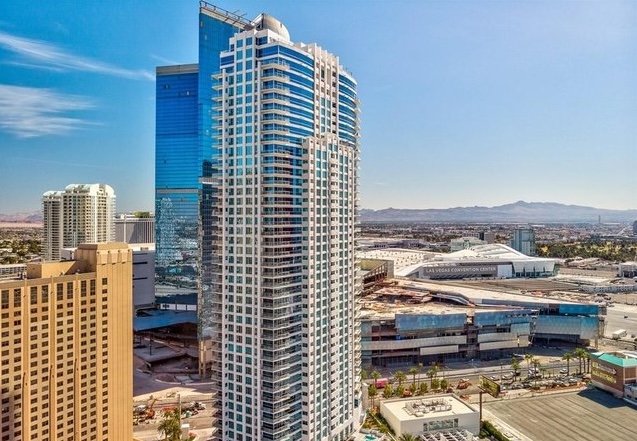
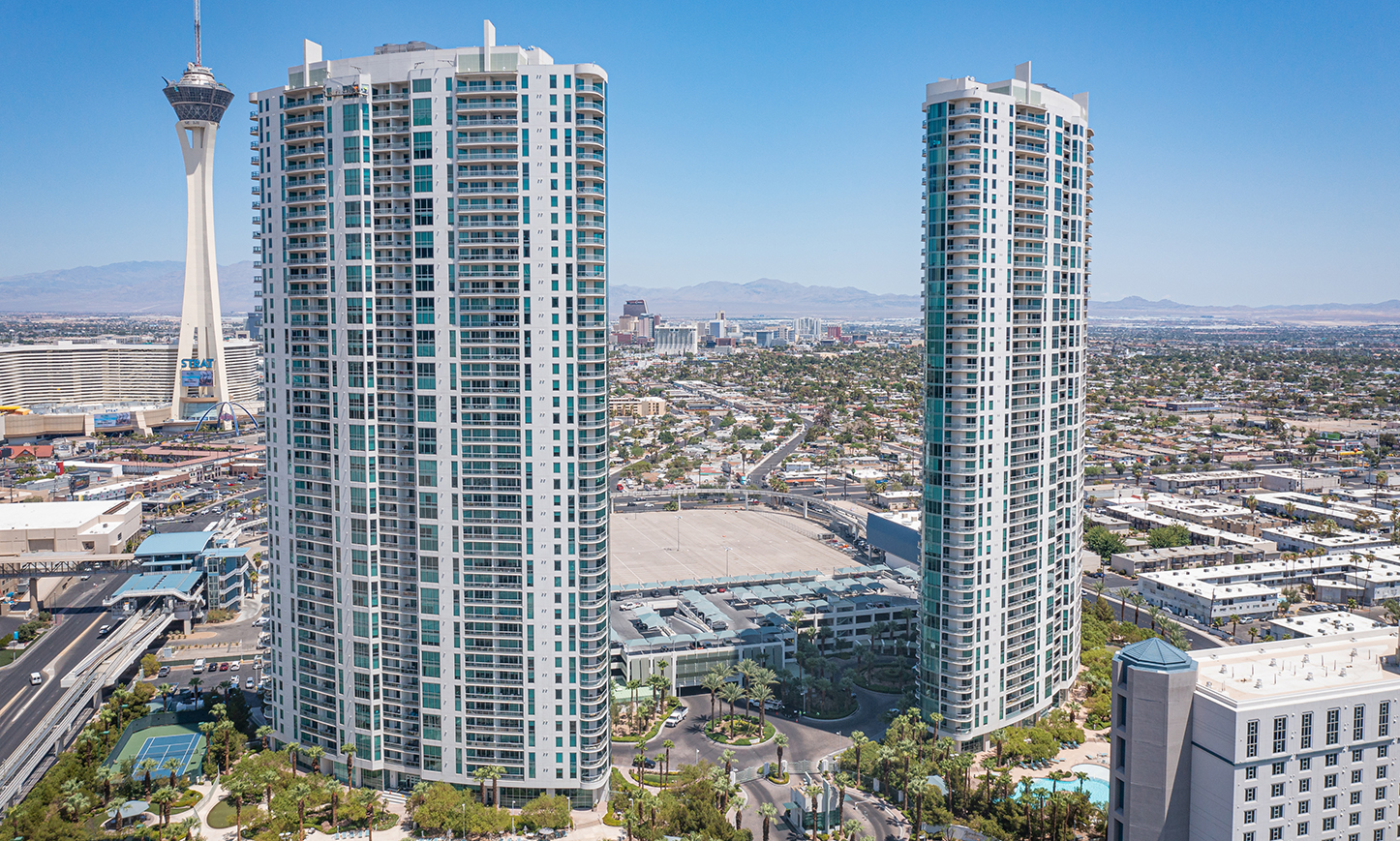
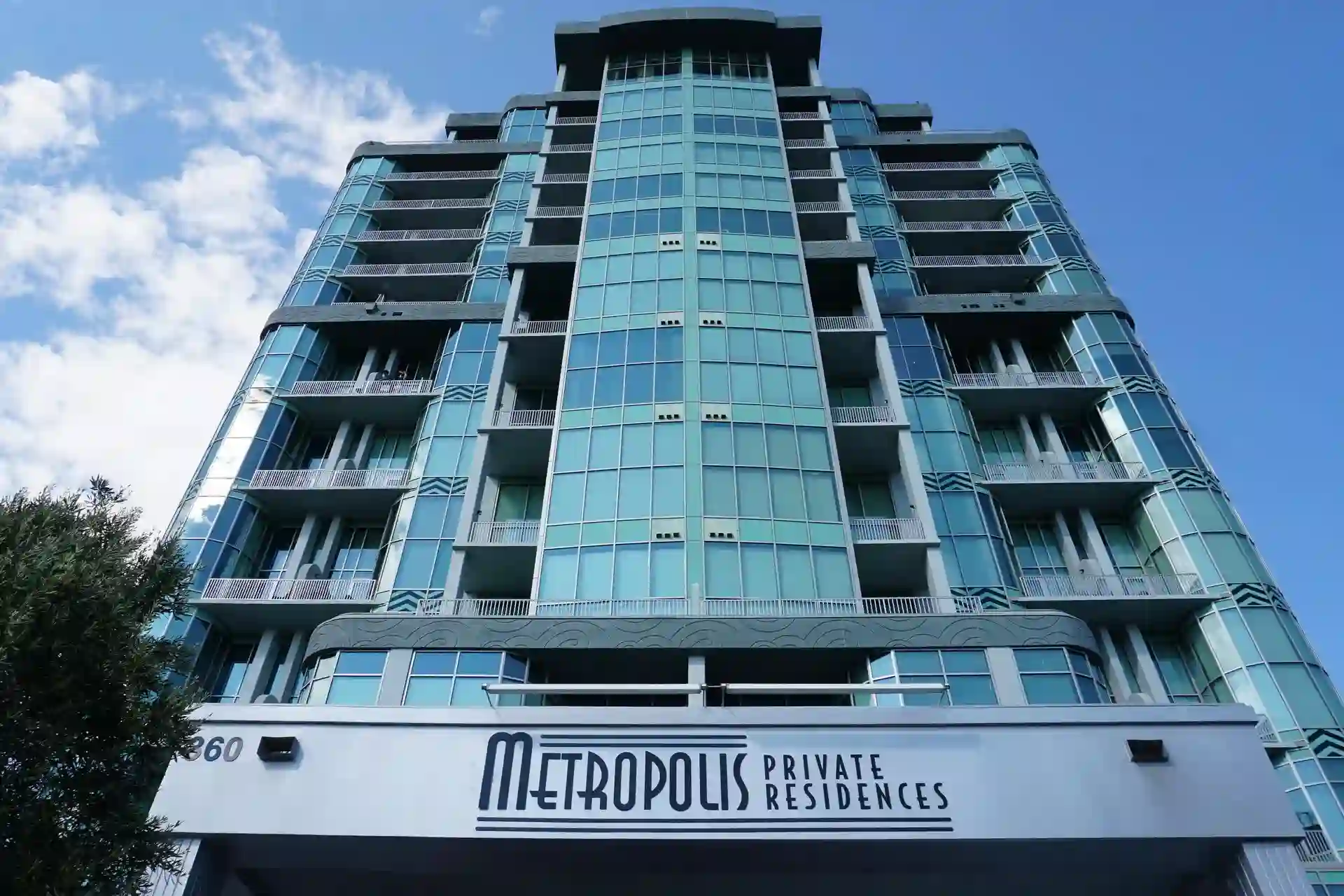
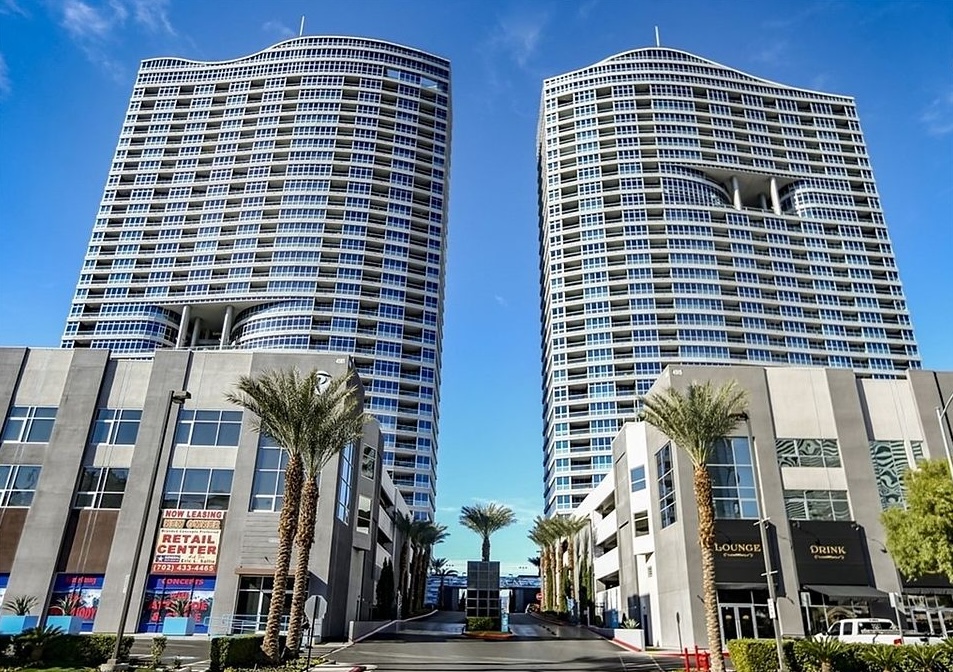
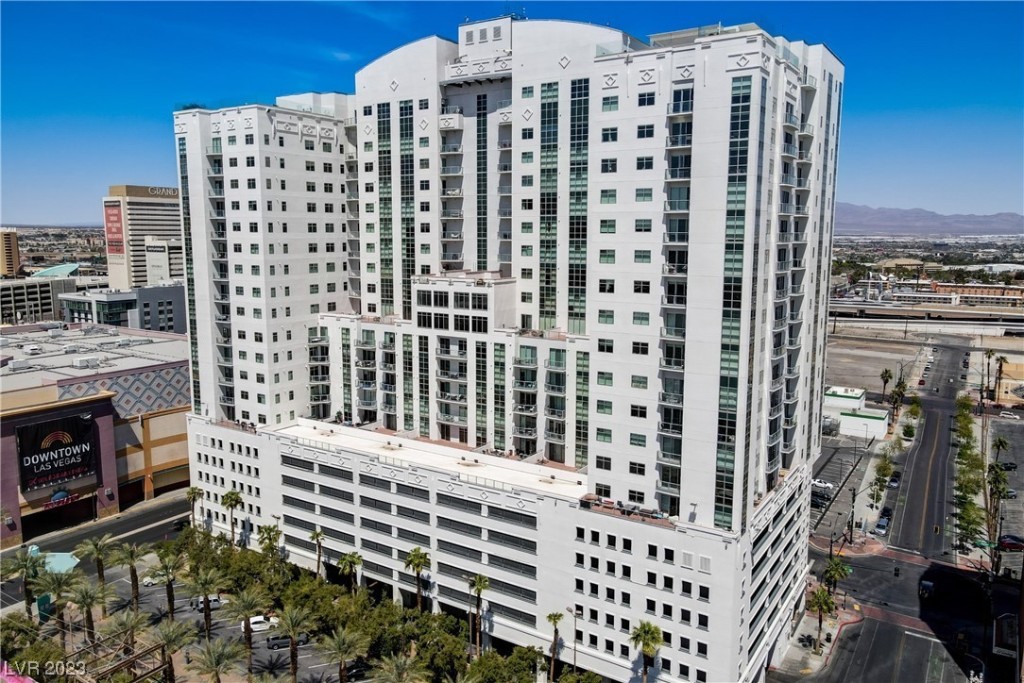
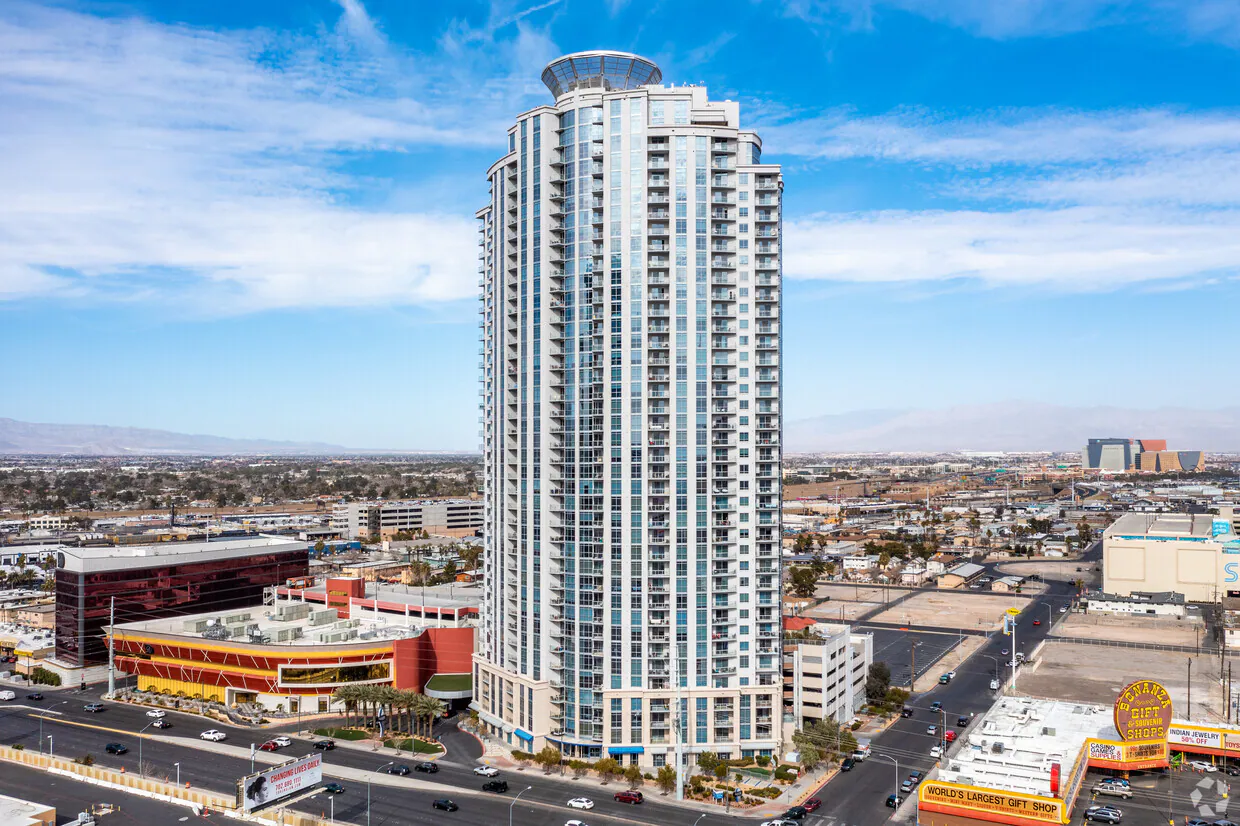
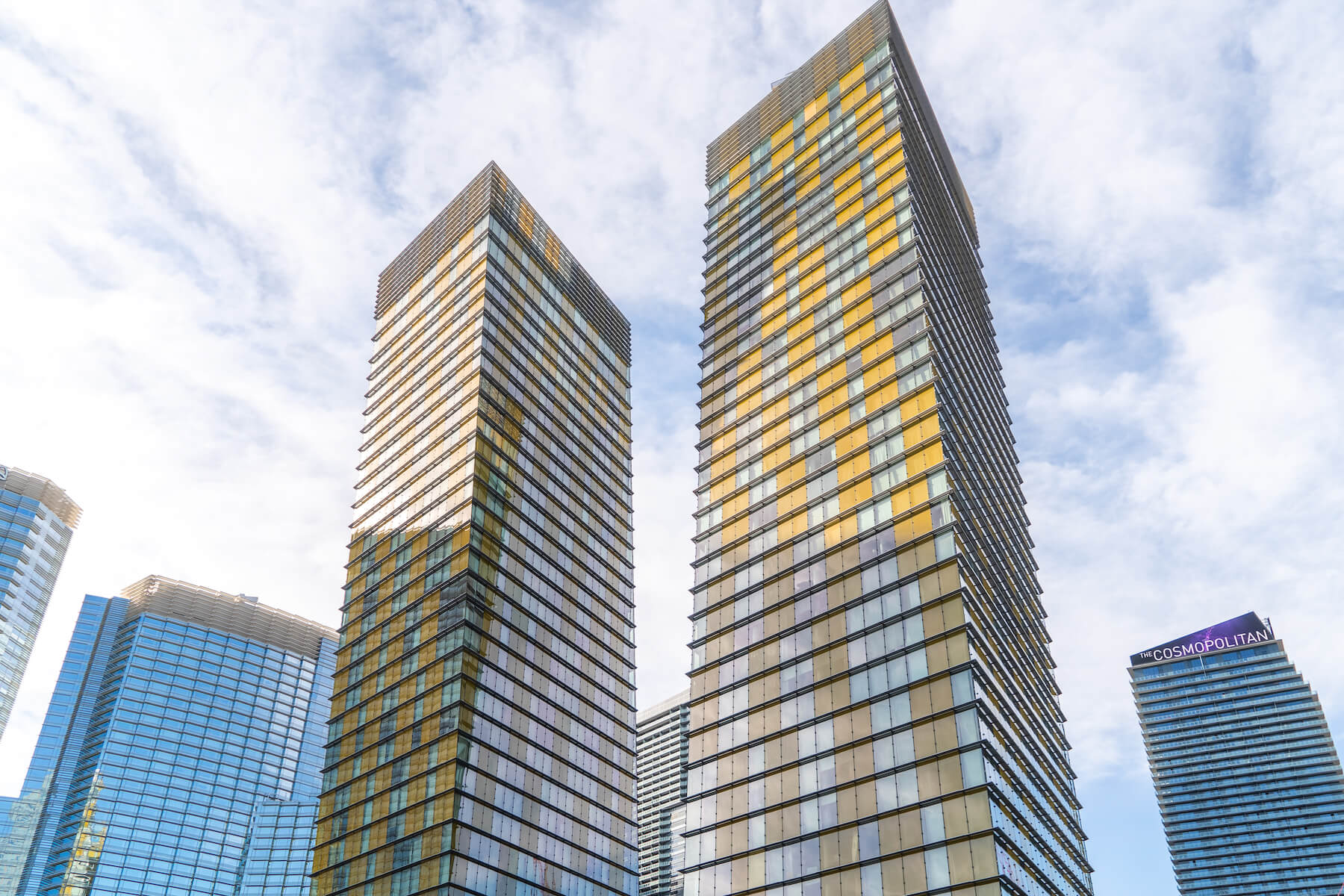
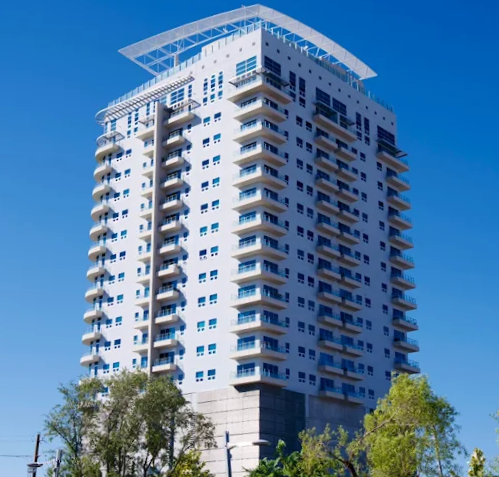
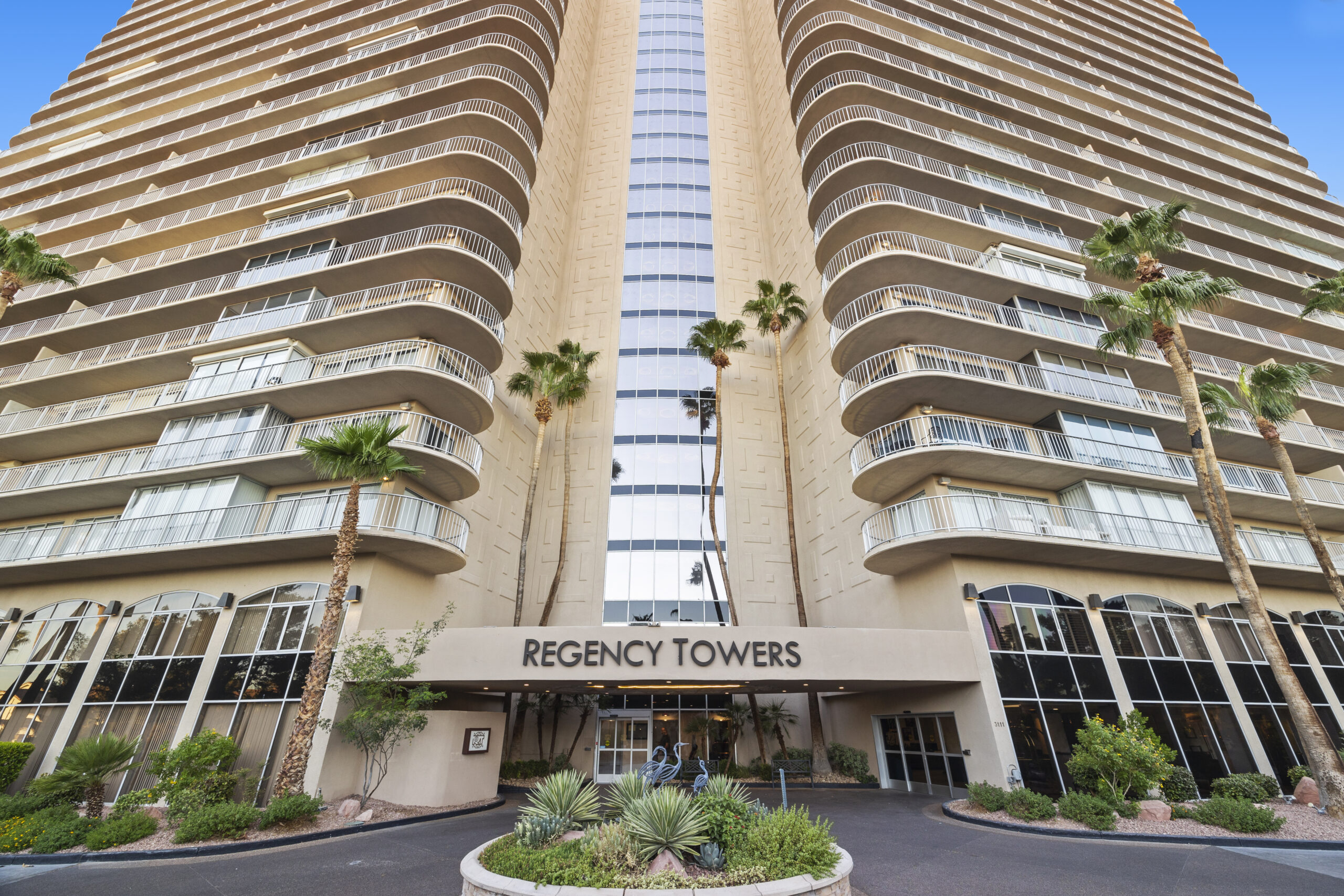
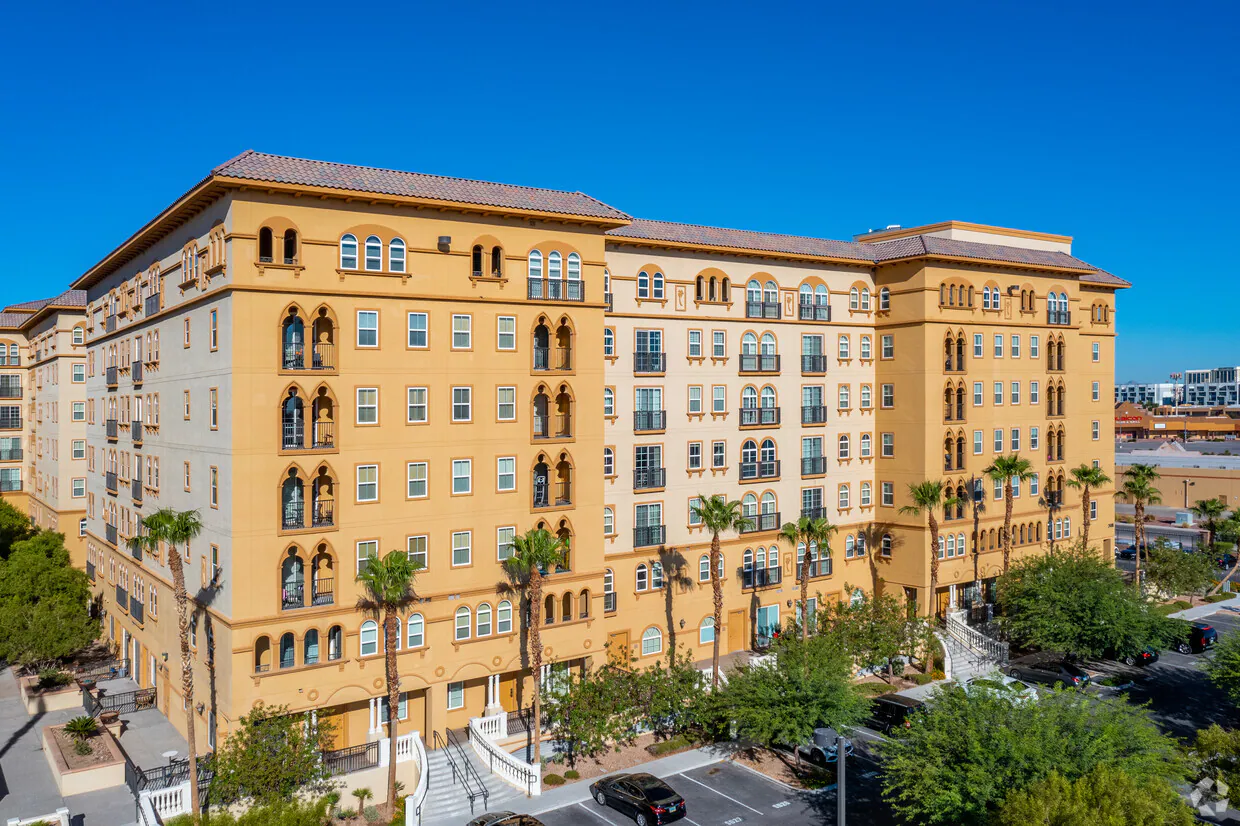
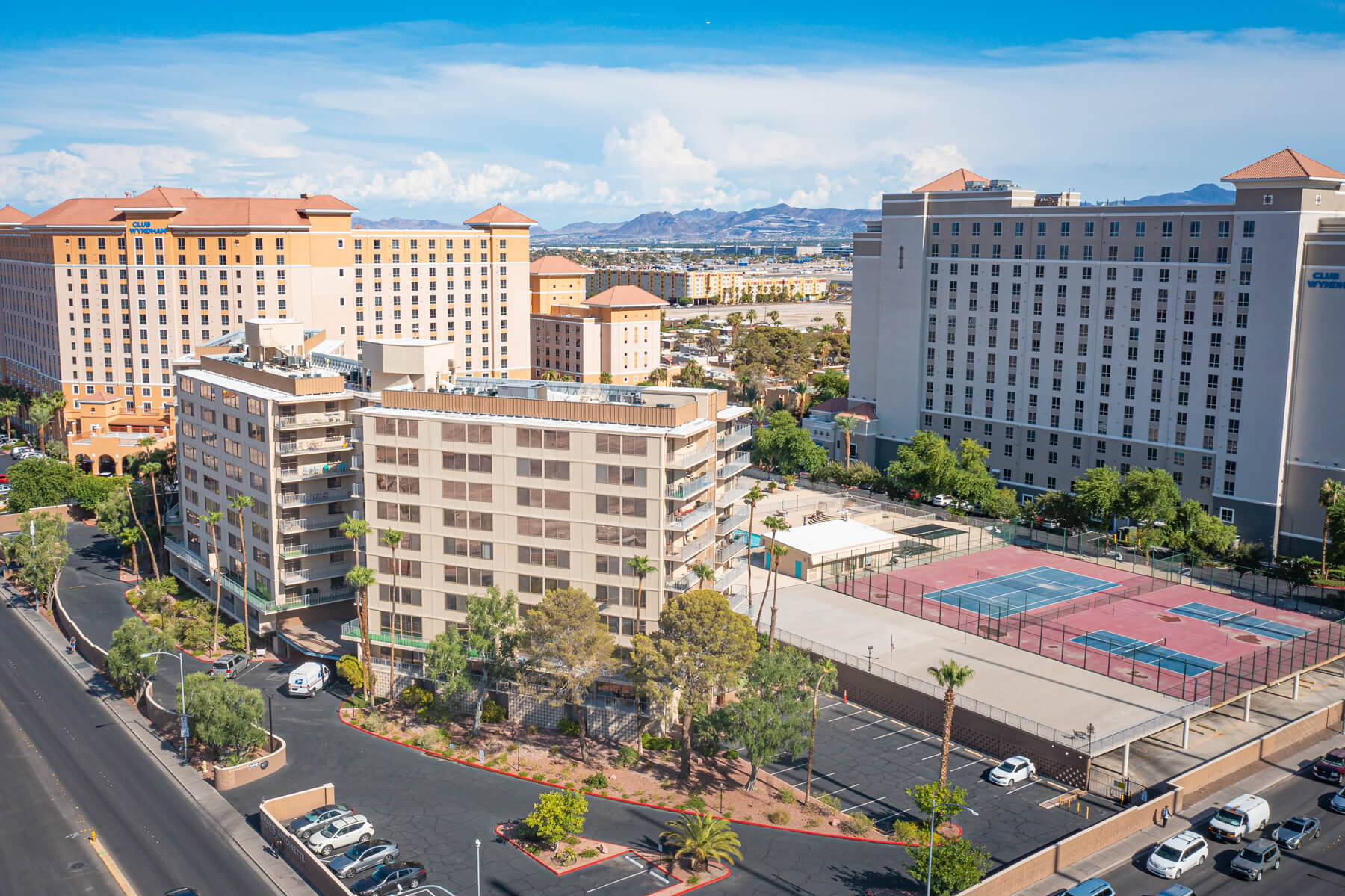
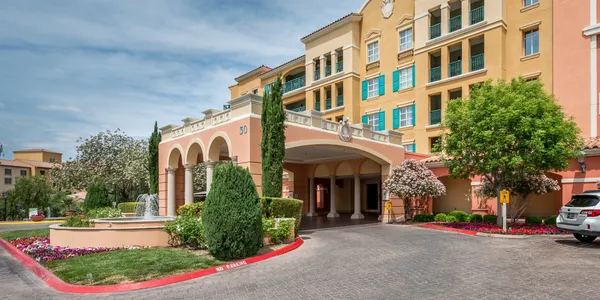
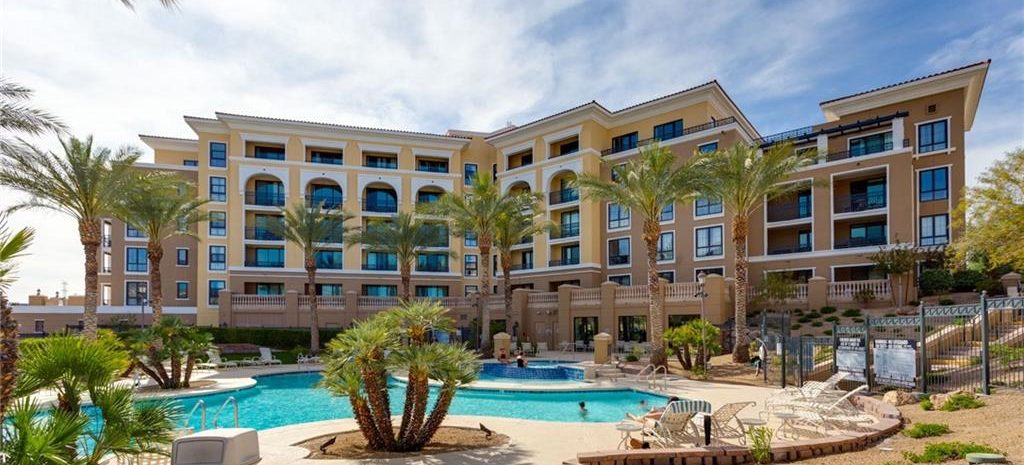
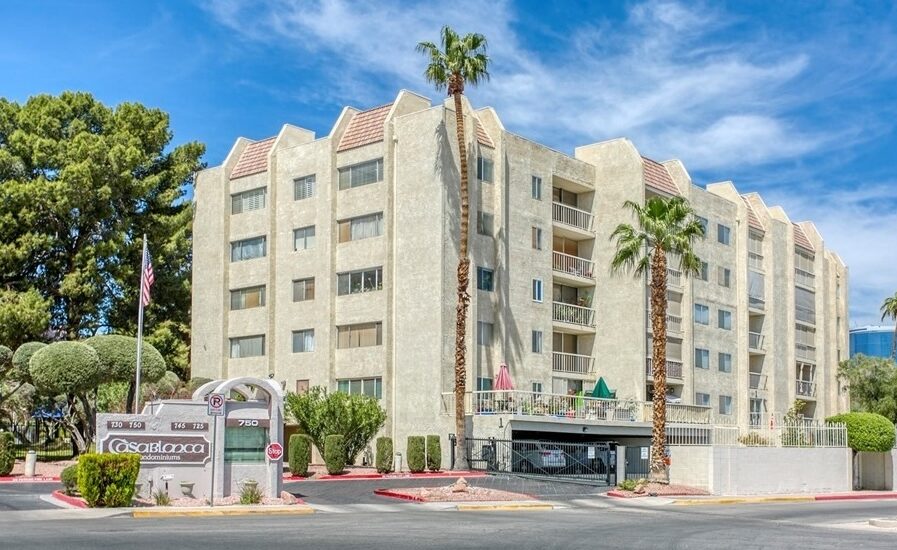
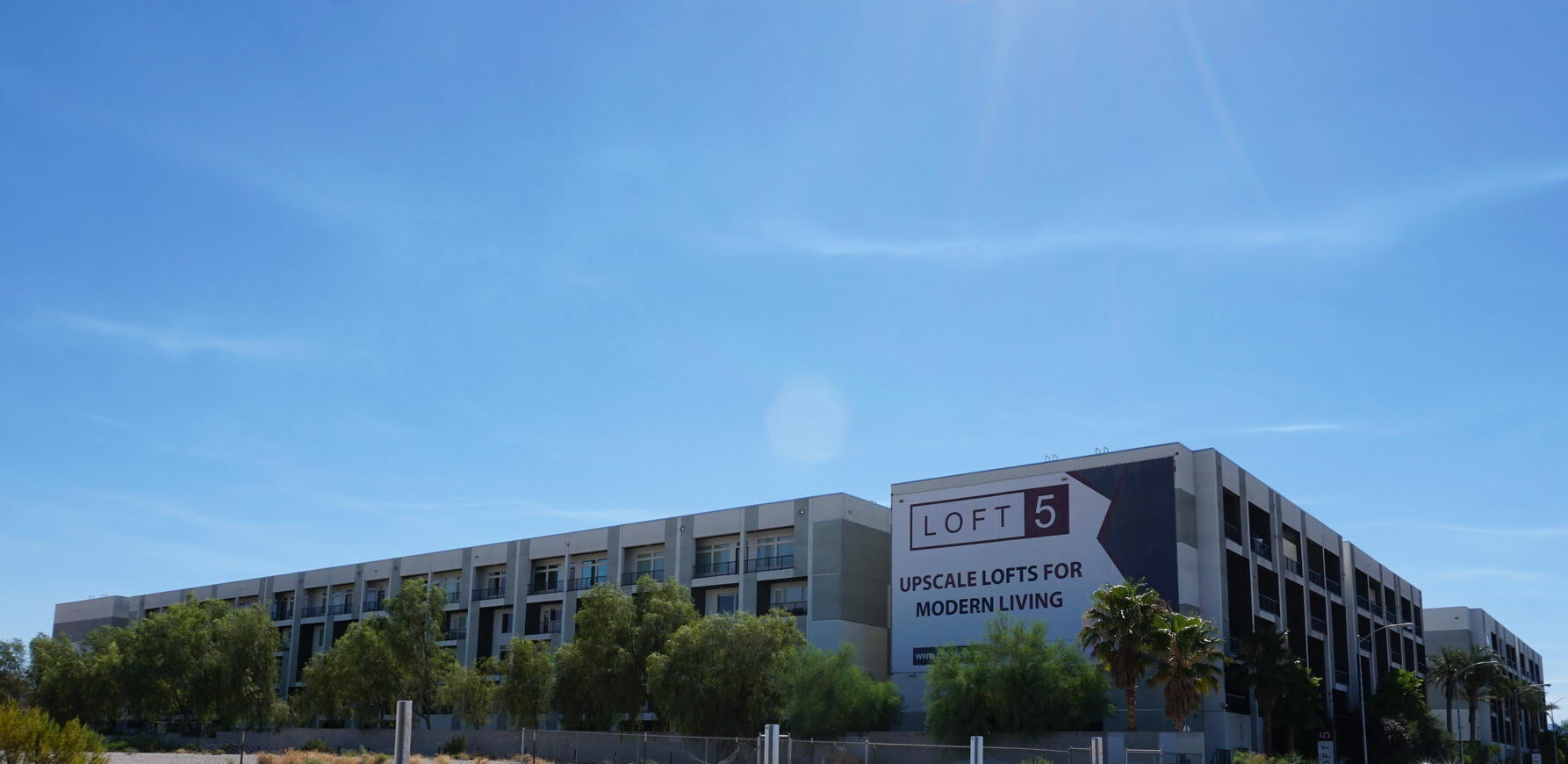
High-rise living is having a moment in Las Vegas, and it's not hard to see why. The valley is running out of land to build out, so it's building up. What you get is a lock-and-leave home — no yard, no exterior upkeep, secured access, and amenities a few floors below your door. We see the same buyers again and again — empty nesters, part-time residents, people relocating. What they share is one wish: a home they can walk away from for a month without a second thought. Is that you? Then a tower may fit better than a house ever could.
Here's the distinction that trips up most buyers. Some Las Vegas high-rises are residential buildings — The Martin, Turnberry Place, Panorama Towers, The Ogden. You buy, you live there, and if you rent it out, it's long-term. Others are condotels — a high-rise wearing a hotel's clothes, where you can rent by the night and earn income while you're away. Now, that difference sounds small until you're living with it. Many residential towers only allow leases of three, six, or twelve months. So if you visit quarterly and lease the rest of the year, you can't just drop in — your tenant is home. A condotel flips that. We break condotels out onto their own hub for exactly this reason. If earning income between visits matters to you, start there.
High-rise dues vary more than buyers expect, and the reason is simple: you're paying for service. A full-service tower with concierge, valet, and 24-hour staff costs more than an off-Strip residential building — and some towers fold your utilities into the dues. The right question isn't "are the dues high?" It's "what do they include, and am I paying for things I'll use?" We'll walk you through the budget and reserves on any building you're considering, so the monthly number holds no surprises.
This is where a high-rise stops behaving like a house. A "warrantable" building meets Fannie Mae and Freddie Mac guidelines, so it qualifies for a conventional loan — sometimes with as little as 5 to 10 percent down on a primary or second home. A "non-warrantable" building doesn't, usually because too many units are rentals, or there's HOA litigation, or the building runs like a hotel. Those often need a portfolio, Non-QM, or DSCR loan — or cash. The document that settles it is the HOA lender questionnaire, and we tell buyers to order it early. One thing worth saying plainly: we're not your lender. Talk to a mortgage professional who knows these towers — the wrong one will spend three weeks learning the building isn't warrantable.
Every tower writes its own rules, and they matter. Residential buildings usually set a minimum lease — often three, six, or twelve months — and cap how many units can be rented at once. Nightly rental, the Airbnb kind, is generally a condotel thing, not a residential-tower thing. So before you buy with renting in mind, we read the building's CC&Rs with you. A rental plan that works at one address can be against the rules two blocks away.
These are the things buyers forget to ask about, then live with. Parking runs from valet-only to assigned or even deeded spaces — and where your spot sits relative to the elevator matters more than you'd think. Pet policies differ by building; some cap the number or weight, a few have on-site dog runs. And balconies aren't a given. Several Strip towers have sealed windows and no usable balcony at all, while others give you glass-railed terraces built for the view. We know these details building by building, so ask us before you fall for a floor plan.
Here's something that surprises out-of-town buyers. The Strip towers get the postcard view, but most full-time high-rise owners in Las Vegas live off-Strip. Downtown has modern condos and art-deco lofts; off-Strip you'll find towers with Red Rock, golf-course, and city views, and a quieter pace. On-Strip buys you the lights and the energy at your feet. Off-Strip buys you a neighborhood. Neither is better — they're two answers to the same question, and we'll help you find yours.
A residential high-rise is a building you live in — you buy, you occupy, and if you rent it out, it's a long-term lease. A condotel is a high-rise that runs like a hotel, where you can rent by the night and earn income while you're away. That one difference drives your financing, your rental options, even your parking. If you want income between visits, look at condotels. If you want a home base or a long-term rental, a residential tower fits.
Sometimes — it depends on whether the building is warrantable. A warrantable tower meets Fannie Mae and Freddie Mac rules and can qualify for a conventional loan, occasionally with 5 to 10 percent down on a primary or second home. Non-warrantable buildings need a portfolio, Non-QM, or DSCR loan, or cash. The HOA lender questionnaire tells you which camp a building is in. We're not your lender, but we'll point you to one who knows these towers.
You can usually rent a residential high-rise, but long-term only — most buildings set a three-, six-, or twelve-month minimum and cap how many units can be leased. Nightly, Airbnb-style rental is generally limited to condotels. So if short-term income is the goal, you're really shopping the condotel hub, not this one. Before you buy, we read the building's CC&Rs with you so the plan you have in mind is actually allowed.
It can be a great fit — that's the lock-and-leave appeal. Secured access and on-site staff make a tower easy to leave for months at a time. Now, one catch: if you plan to lease it while you're away, a residential building's long-term lease means you can't drop in whenever you like — your tenant lives there. If you want to both earn income and stay whenever you visit, a condotel is the better structure.
Because dues track service, not square footage. A tower with concierge, valet, a spa, and 24-hour staff costs more to run than an off-Strip residential building, and some buildings fold your utilities into the fee. Higher dues aren't automatically a bad deal — the question is whether you'll use what they buy. We'll walk through the budget, reserves, and what's included before you make an offer.
It varies by building. Some towers — especially hotel-style buildings — are valet-only, while many residential towers give you an assigned or even deeded space. Location matters too: a spot near the elevator beats one three levels down by a column. We know how parking works in each building, so it's an easy thing to check before you commit.


